Source Rotating Insulated Air Pipe Fitting for HVAC, Pneumatics, and Water Systems
Compare 30 verified listings for the rotating insulated air pipe fitting suitable for HVAC, pneumatic, and water pipe applications. Buyers can evaluate specifications like working pressure, material options including copper and aluminum, and customization availability from suppliers in China.
Key considerations
Products List

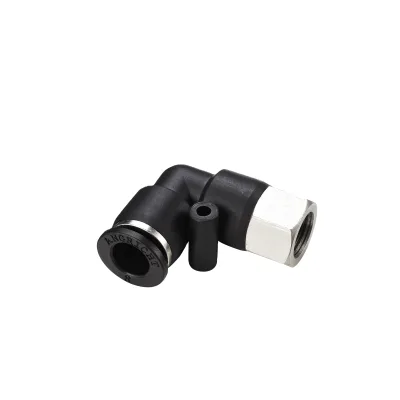


Comprehensive Sourcing Guide
Strategic Sourcing Guide for Rotating Insulated Air Pipe Fittings
Understanding Technical Specifications and Material Integrity
When sourcing rotating insulated air pipe fittings, the primary objective is to identify components that maintain structural integrity under dynamic stress while managing thermal efficiency. The market presents a diverse array of materials, each offering distinct advantages for specific industrial environments. Buyers must carefully evaluate the material composition, as the supplied data indicates a range of options including plastic, copper, and aluminum. Aluminum fittings, for instance, are often associated with seamless extruded tubes, providing a lightweight solution that resists corrosion. In contrast, copper fittings typically feature forged techniques and internal thread distributions, which are critical for high-pressure applications where mechanical strength is paramount.
The dimensional specifications are equally critical for ensuring compatibility within existing piping systems. Observed data suggests that standard sizes can range significantly, with specific models available in dimensions such as 16mm or broader ranges including 20, 25, 40, 50, 63, 80, 100, 125, 148, and 200mm. The cross-section shape is predominantly round, facilitating smooth fluid dynamics. However, the "rotating" aspect of the core keyword implies a need for flexible connection points or swivel mechanisms that can accommodate angular adjustments without compromising the seal. Buyers should verify if the specific fitting model supports the required degree of rotation and if the insulation layer remains intact during movement. The working pressure ratings observed in the market vary, with some components rated for 10kg or up to 16bar, while others may be classified under MPa standards. It is essential to match the fitting's pressure class to the system's maximum operating pressure to prevent catastrophic failure.
Furthermore, the thermal performance of the insulation is a key technical differentiator. The operating temperature range is a vital parameter, with some products designed to function between -20°C and +80°C. This range ensures reliability in environments subject to fluctuating ambient conditions. The medium being transported also dictates material selection; fittings must be compatible with liquids, fluids containing solid particles, and gases. If the application involves pneumatic systems, the fitting must handle the specific pressure dynamics of compressed air without leakage. The connection type, whether welding, threaded, or reducing pipe-to-pipe connectors, must align with the installation methodology. For rotating applications, the connection part must allow for movement while maintaining a hermetic seal, a feature that requires rigorous verification against the manufacturer's technical drawings.
Compliance, Certification, and Standard Verification
Navigating the compliance landscape for industrial fittings requires a meticulous approach to verifying standards and certifications. While general industry knowledge often references ISO 9001 for quality management or ISO 14001 for environmental management, buyers must rely on the specific documentation provided by the supplier rather than assuming these certifications are present. The supplied context highlights specific national standards, such as GB/T4437.1-2015 and general GB standards, which serve as the baseline for manufacturing quality in the region. Additionally, fire resistance is a critical compliance factor, with some products adhering to the UL-90vo standard. This classification is essential for applications where fire safety is a regulatory requirement, ensuring the fitting materials do not contribute to flame spread.
Certification verification should extend beyond generic marks to specific product attributes. For instance, the presence of a "video outgoing inspection" suggests a commitment to transparency, allowing buyers to visually confirm the quality of the batch before shipment. However, this should be treated as an observation of the supplier's process rather than a guarantee of every unit's quality. Buyers must also check for specific certifications related to the material composition, such as food-grade approvals if the air or fluid is potable, or pressure vessel certifications if the fitting is part of a high-pressure system. The absence of explicit certification data in the general listing does not preclude a product from being compliant, but it necessitates a direct request for the relevant test reports and certificates of conformity.
Standardization also plays a role in the interchangeability of parts. The observed standard of "1/2-16MM" indicates a specific thread or size classification that must be matched precisely to the piping system. Deviations in thread distribution, such as internal versus external threads, can lead to installation failures. Buyers should verify that the product standard matches the local regulatory requirements of the destination country. For example, if the installation is in a region requiring specific pressure vessel codes, the supplier must provide evidence that the fitting meets those specific codes, not just the general GB standards. The "High-confidence facts" regarding certifications like ISO ventilation modes or specific product models (e.g., LS-KTXL) provide a starting point, but the buyer must confirm that these apply to the specific batch being ordered.
Cost Drivers and Economic Factors in Procurement
The pricing structure for rotating insulated air pipe fittings is influenced by a complex interplay of material costs, manufacturing complexity, and order volume. The observed price range in the market spans from $0.03 to $50 USD, a vast disparity that reflects differences in material quality, size, and functional complexity. A fitting made of plastic will naturally cost significantly less than one forged from copper or constructed with specialized aluminum alloys. The "rotating" feature, if it involves complex internal mechanisms or high-precision machining, will also drive up the unit cost compared to static fittings.
Order volume is another primary cost driver. The minimum order quantity (MOQ) varies widely, with observed ranges from 1 to 5000 pieces. Suppliers often offer tiered pricing structures where the unit cost decreases as the order volume increases. For example, an MOQ of 500 pieces might be the threshold for a specific price bracket, while smaller orders may incur a premium or be unavailable at all. Buyers must balance the need for inventory against the capital tied up in stock. Purchasing in larger quantities can reduce the per-unit cost and potentially lower shipping expenses per item, but it increases the risk of obsolescence if the project scope changes.
Packaging and logistics also contribute to the total cost of ownership. The observed packaging methods include OPP bags and carton boxes on pallets. The choice of packaging affects the durability of the product during transit and the efficiency of storage. Bulky packaging, such as palletized cartons, may increase shipping costs compared to compact OPP bagging, but it offers better protection for high-value items. Furthermore, the trade terms (EXW, FOB, CFR, CIF) significantly impact the final landed cost. Buyers must calculate the total cost including freight, insurance, and customs duties, which vary based on the loading port (e.g., Qingdao, Tianjin) and the transportation method (FCL or LCL). Understanding these variables is essential for accurate budgeting and avoiding unexpected expenses that can erode profit margins.
Typical Applications and Operational Environments
Rotating insulated air pipe fittings are designed for a wide spectrum of industrial applications where flexibility, thermal management, and pressure containment are critical. The observed data points to applications in pneumatic systems, water pipes, and general fluid transport. In pneumatic applications, the fittings must withstand the pulsating pressure of compressed air while allowing for movement to accommodate machine vibrations or thermal expansion. The "no leakage" attribute is particularly vital here, as air leaks can lead to significant energy losses and reduced system efficiency.
The insulation aspect of these fittings is crucial for applications involving temperature-sensitive fluids or gases. In environments where the operating temperature ranges from -20°C to +80°C, the fitting must prevent condensation, heat loss, or heat gain. This is common in HVAC systems, refrigeration lines, and industrial processes where maintaining a specific temperature is necessary for product quality. The ability to install these fittings both indoors and outdoors expands their utility, provided the materials are resistant to environmental factors such as UV radiation, moisture, and corrosion.
Specific industries that benefit from these fittings include manufacturing, construction, and energy sectors. In manufacturing, rotating fittings allow for the adjustment of piping in automated assembly lines without the need for complex re-routing. In construction, the versatility of the fittings facilitates installation in tight spaces or around structural obstacles. The "connection part" described as a "reducing pipe to pipe connector" suggests their use in systems where different pipe diameters need to be joined, a common scenario in retrofitting or upgrading existing infrastructure. The medium compatibility, including liquids, fluids with solid particles, and gases, indicates suitability for diverse processes, from water treatment to chemical processing, provided the material selection matches the chemical resistance requirements of the specific medium.
Supplier Evaluation and Quality Assurance Protocols
Evaluating suppliers for rotating insulated air pipe fittings requires a multi-faceted approach that goes beyond price comparisons. The origin of the product, such as Jiangxi, Zhejiang, or Zhuji in China, can provide insights into the local industrial ecosystem and the typical quality standards of the region. However, geographic origin alone is not a guarantee of quality. Buyers should prioritize suppliers who offer transparent quality control measures, such as the "video outgoing inspection" mentioned in the data. This feature allows buyers to verify the physical condition of the products before they leave the factory, reducing the risk of receiving damaged or substandard goods.
Quality assurance should also include a review of the supplier's production capabilities. The "technics" listed, such as forging, indicate a level of manufacturing sophistication that can impact the durability of the fitting. Suppliers who utilize advanced forging techniques are likely to produce fittings with superior mechanical properties compared to those using casting or simpler methods. Additionally, the warranty period is a strong indicator of the supplier's confidence in their product. Observed warranty periods range from 1 year to 5 years, with longer warranties often suggesting higher quality materials and better manufacturing controls. Buyers should scrutinize the terms of the warranty to understand what is covered and what constitutes a claim.
Supplier reliability is another critical factor. The "after-sale service" response time, noted as 7-10 working days after receiving a deposit, provides a benchmark for responsiveness. Buyers should verify if this timeline is consistent across different inquiries and if the supplier has a track record of meeting deadlines. The availability of customization, as indicated by the "Customization: Available" attribute, is also a positive sign, suggesting a flexible manufacturing process capable of meeting specific client requirements. However, buyers must ensure that customization does not compromise the standard quality or lead times. A robust supplier evaluation process should include requests for sample testing, references from previous clients, and a review of the supplier's production capacity to ensure they can meet the required order volumes.
Long-Term Procurement Considerations and Lifecycle Management
Sourcing rotating insulated air pipe fittings is not merely a transactional activity but a strategic decision that impacts long-term operational efficiency and maintenance costs. The lifecycle of these fittings is influenced by factors such as material degradation, wear and tear from rotation, and the frequency of maintenance required. Buyers should consider the total cost of ownership (TCO), which includes the initial purchase price, installation costs, maintenance expenses, and the cost of potential downtime due to failures. High-quality fittings with longer warranties and superior materials may have a higher upfront cost but can result in significant savings over time by reducing the frequency of replacements and repairs.
Inventory management is another long-term consideration. The wide range of MOQs and sizes (from 16mm to 200mm) requires careful planning to ensure that the right inventory levels are maintained without overstocking. A modular approach to procurement, where fittings are ordered based on actual project needs rather than bulk stockpiling, can help mitigate the risk of obsolescence. Additionally, the availability of spare parts and the ease of replacement should be factored into the decision-making process. Suppliers who offer a comprehensive range of sizes and connection types can simplify the procurement process and reduce the complexity of inventory management.
Sustainability and environmental compliance are increasingly important in long-term procurement strategies. The "fire-resistant" attribute and adherence to standards like UL-90vo contribute to the safety and sustainability of the installation. Buyers should also consider the recyclability of the materials used, such as aluminum and copper, which are highly recyclable compared to certain plastics. Ensuring that the supply chain adheres to environmental standards can enhance the corporate social responsibility profile of the buyer and align with global sustainability goals. Finally, the ability to adapt to changing standards and regulations is crucial. Suppliers who stay updated with the latest industry standards and can provide evidence of compliance will be better positioned to support long-term procurement needs.
FAQs
What materials are used for rotating insulated air pipe fittings?
These fittings are commonly made from plastic, copper, or aluminum. Aluminum options often feature seamless extruded tubes for lightweight corrosion resistance, while copper variants typically use forged techniques for high-pressure durability.
Which pressure ratings apply to these pipe fittings?
Observed working pressure ratings include 10kg and up to 16bar. Some products also specify a maximum working pressure of 16bar under MPa classification, ensuring suitability for various pneumatic and fluid systems.
Can I find custom sizes for these fittings?
Customization is available for these fittings, including specific thread distributions and sizes. Standard sizes range from 16mm to 200mm, with options for internal threads and reducing pipe-to-pipe connectors to match specific system needs.
How do I verify the quality of these fittings before shipment?
Suppliers may provide video outgoing inspections to verify product quality before dispatch. This transparency allows buyers to visually confirm the condition of the batch, ensuring compliance with specifications like the GB/T4437.1-2015 standard.
What is the typical warranty period for these fittings?
Warranty periods vary, with some products offering 1 year and others up to 5 years. Buyers should confirm the specific warranty terms for the selected model to ensure adequate protection against defects or premature failure.
Which packaging methods are used for shipping these fittings?
Packaging options include OPP bags for individual units or carton boxes on pallets for bulk shipments. The choice depends on the product value and protection requirements during transit to destinations like Qingdao or Tianjin.